The Family Party Time Machine: Los Kumbia Kings From Quinceañeras to TikTok
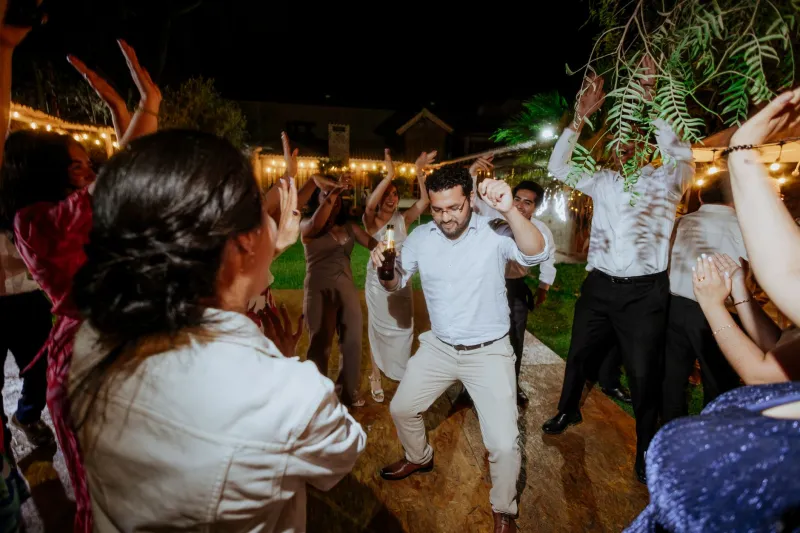
There is a specific kind of magic that happens when a DJ drops a Los Kumbia Kings song at a family party in 2026. The tías stop mid-conversation. The teenagers look up from their phones. Someone’s uncle does the shoulder move he has been doing since 2003. And for three minutes, nobody is too old or too young to be on the dance floor. That is not nostalgia. That is a time machine with a brass section.
The Test Is a Tía’s Living Room
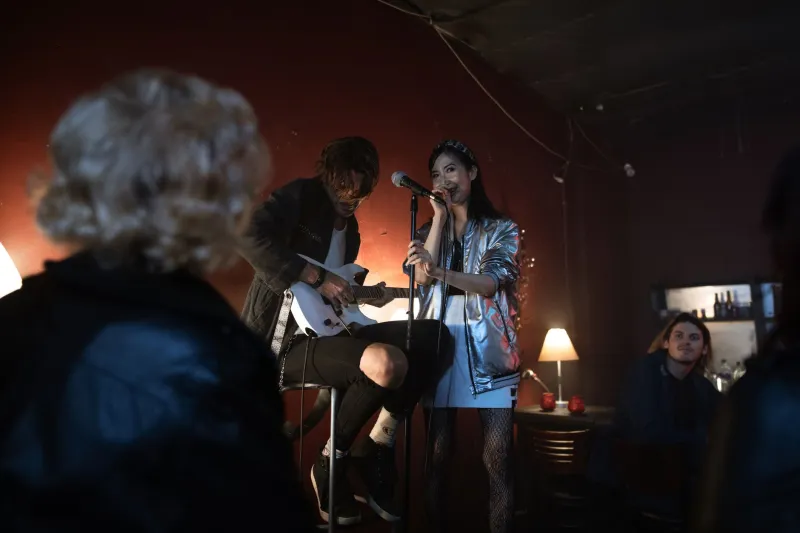
You can trace the Kings’ multi-generational reach through living rooms, backyards, and rented banquet halls across the US. In the early 2000s, Los Kumbia Kings were the house band for a generation’s coming-of-age. Quinceañeras, weddings, Sunday cookouts, church hall fundraisers — if there was a dance floor and a sound system, 'No Tengo Dinero' or 'Shhh!' had a good chance of showing up. The songs were bilingual, hook-heavy, and physically impossible to stand still through. They did not ask you to know the backstory. They asked you to move.
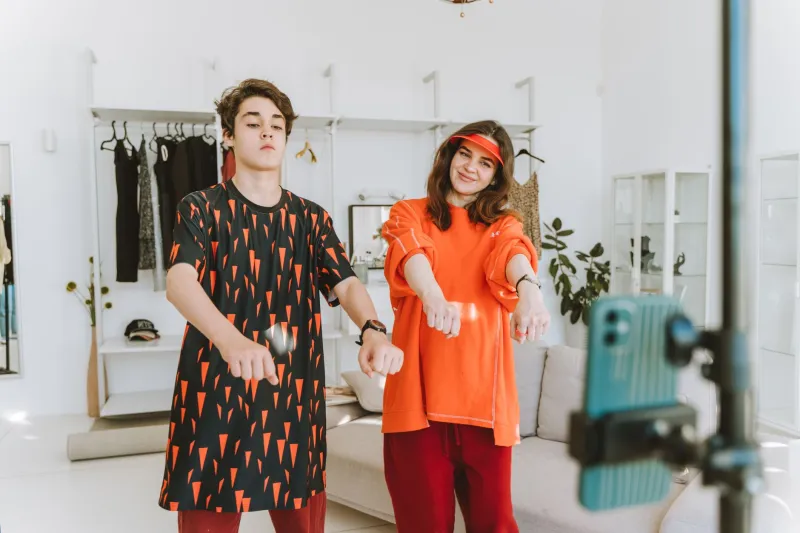
Two decades later, the same thing is happening. Only now the dance floor has a second screen. A mom films her daughter doing a TikTok routine to a Kings song. A cousin sends the clip to the family group chat. A grandmother comments with three heart emojis and a request to play it at the next birthday. The generation gap does not disappear, but it gets a soundtrack.
From Quinceañeras to Group Chats
The Kings’ catalog has always been good at crossing rooms. Part of that is the songwriting: simple phrases, big choruses, call-and-response moments that invite everyone in. Part of it is the production: the synths, the horns, the cumbia rhythm that works at a wedding reception and in a car with the windows down. And part of it is the band’s image. Los Kumbia Kings looked like the kids at the party and the stars on the stage at the same time. That is a rare trick.
In 2026, that trick still works. Parents who grew up with the Kings are now the ones renting the halls. Their kids are the ones making the playlists. The songs do not need a reboot because they never really left. They just moved from the CD binder to the streaming queue to the short-form video feed.
TikTok Is Just the New Backyard
Short-form video did not discover Los Kumbia Kings. It just gave the family dance floor a second location. Scroll long enough and you will find clips built around 'Shhh!' as a punchline, 'No Tengo Dinero' as a mood, and 'Azul' as the romantic backdrop for a couple’s announcement. The algorithm loves a hook, and cumbia has hooks for days. But the deeper reason these songs keep resurfacing is social: they are shorthand for celebration. They signal that something fun is about to happen, even if the 'something' is just a cousin lip-syncing in the kitchen.
That is why the Kings’ music travels so well on TikTok. It is not just audio. It is a cue. When a clip opens with those first notes, viewers already know the vibe. They may not know the album, the year, or the lineup. They know the feeling. And in 2026, feeling is the most shareable currency there is.
Why the Songs Survive the Generation Gap
Los Kumbia Kings songs are built for participation. The choruses are short. The rhythms are steady. The bilingual lyrics let different family members grab different lines. You do not need to know every word to clap on the beat or shout the hook. That accessibility is why the catalog works at a quinceañera in 2004 and a TikTok dance challenge in 2026. The songs are not precious. They are portable.
There is also a physical memory in this music. The bassline hits, the body responds. For older fans, that response is tied to a specific era: the jerseys, the jeans, the packed halls, the radio requests. For younger fans, the response is new but just as real. They are making their own memories over the same beats. That is how a catalog becomes a tradition.
The Multi-Generational Party Playlist
If you are building a family reunion set in 2026, do not sequence by year. Sequence by energy. Here is a simple Los Kumbia Kings bridge playlist that works from the first tía to the last teenager standing:
- 'No Tengo Dinero' — the opener. Everyone knows the chorus, and nobody needs a warm-up.
- 'Shhh!' — the wink. This is the one that gets the teens and the tías laughing at the same time.
- 'Azul' — the romantic midpoint. Pull in the couples and the slow-dancers.
- 'Dime Quién' — the singalong. Pass the mic around the room.
- 'Sabes a Chocolate' — the playful turn. Keep the energy light and moving.
- 'Mi Dulce Niña' — the closer for the old-school romantics. Let the room sway before the next banger.
That is not a definitive list. It is a starter kit. The Kings’ catalog is deep enough that every family will have its own must-plays. The point is to let the songs do what they have always done: pull different generations into the same three minutes.
The Dance Floor Is the Archive
In 2026, Los Kumbia Kings are not just a nostalgia act. They are a shared language. A quinceañera in Texas, a wedding in California, a backyard party in Chicago, a TikTok clip filmed in a bedroom — the settings change, but the function does not. The music gives people a reason to be in the same moment.
That is the real legacy. Not a reunion date. Not a remaster. A dance floor that keeps getting passed down. The Kings made songs that parents could trust and kids could claim. Twenty-plus years later, the family party time machine is still running. And the best part is that everyone is invited.