The Jerseys, the Jeans, the Sneakers: Los Kumbia Kings and the Style That Still Rules the Crowd
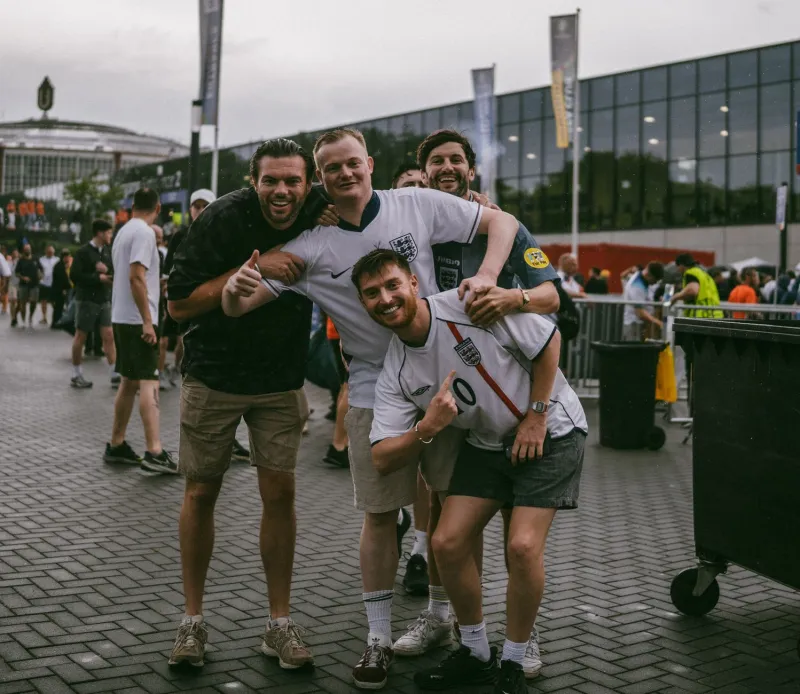
At a Los Kumbia Kings show in 2026, look at the crowd before the first chorus hits. You will see it: an oversized jersey here, a pair of baggy jeans there, white sneakers so clean they look like they came out of the box that morning. Nobody sent out a dress code. Nobody needed to. That is what a fan uniform looks like when it has had twenty-plus years to settle into the culture.
The Kings did not invent baggy jeans or athletic jerseys. But in the late 1990s and early 2000s, they made those pieces feel like part of the cumbia contract. The band’s stage style was casual, confident and unmistakably of its moment. It looked like the parking lot after a high school game, the mall on a Saturday, the older cousins who had a car and a CD case. For a generation of Latino youth, that mattered.
The Sound Had a Silhouette
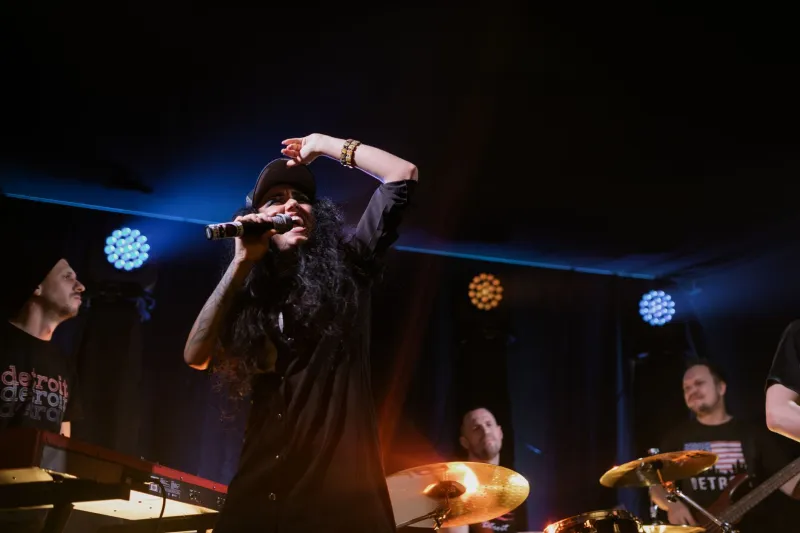
Los Kumbia Kings were not a suit-and-tie cumbia act. Their image leaned into hip-hop and athletic wear: oversized jerseys with numbers, loose denim, fresh white sneakers, sometimes a cap or a bandana. The look was relaxed, but it was not careless. It was coordinated enough to read as a group identity and loose enough to feel like something fans could copy without a stylist.
That silhouette matched the music. The Kings blended cumbia with hip-hop, R&B and pop, and their clothes said the same thing the beats did: this is Latin music, and it belongs to us as we are. They did not need to look like a traditional conjunto or a polished pop group. They looked like the crowd, only louder.
Why Jerseys and Baggy Jeans Hit Different
For fans who came up in the early 2000s, the Kings’ fashion was aspirational without being distant. A jersey was not a costume. It was something you might already own. Baggy jeans were the default. White sneakers were a flex you could maintain with a toothbrush and determination. The band’s style said that you could step onstage in the clothes you wore to school and still look like a star.
That is a powerful message for young Latino fans in the US, especially in cities like Houston, San Antonio, Los Angeles and Chicago, where cumbia and hip-hop shared the same airwaves and the same parking lots. The Kings’ look did not ask fans to choose between their neighborhood and their culture. It put both in the same frame.
The Quinceañera Effect
Cynthia, a longtime fan in Houston, remembers borrowing her brother’s oversized jersey for a quinceañera in 2003. She says the look felt tough and feminine at the same time, especially with hoops and slicked-back hair. In 2026, her daughter is planning her own quinceañera and has been sending her photos of Y2K-inspired outfits. Cynthia laughs about it. The style has come back around, but for her it never really left.
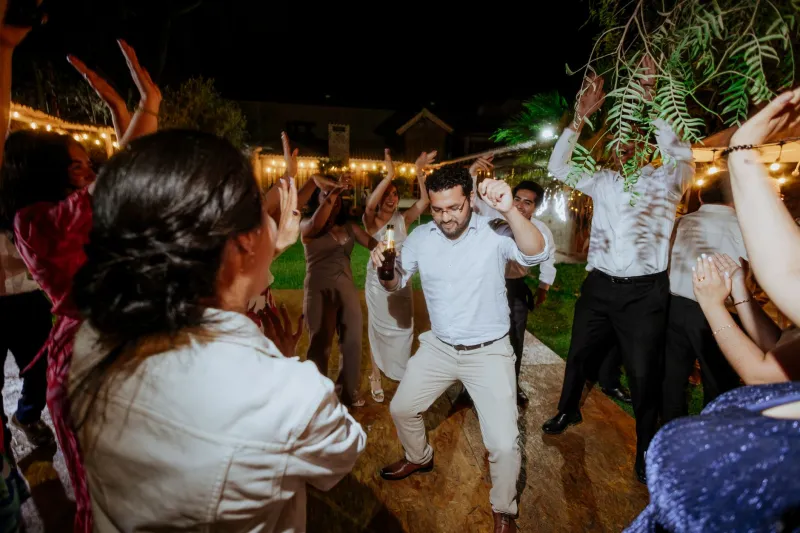
That is the quinceañera effect. The celebration has always been a fashion space where young Latinas test out versions of themselves, and the Kings’ aesthetic gave them a vocabulary that was casual, cool and connected to the music they loved. You can see it now in photo shoots that mix a white dress with a varsity jacket, or in choreography videos where the chambelanes wear jerseys instead of matching suits.
What Vintage Sellers Are Seeing in 2026
Eddie, a vintage seller in Los Angeles, says the demand for early-2000s sportswear has been steady for years, but he has noticed a specific kind of buyer: young fans looking for the silhouette, not just the label. They want jerseys with visible numbers, loose denim and sneakers that look like they have a story. Some of them are hunting for official Los Kumbia Kings merch. Others are recreating the look piece by piece.
‘They do not always know the exact year of the jersey,’ Eddie says. ‘They know the energy. They want to look like they belong in a Kumbia Kings video.’ That is the difference between a trend and a uniform. A trend asks you to buy something new. A uniform tells you what you already have might be enough.
A Uniform, Not a Costume
The Kings’ style still works because it was never too formal. It was built for movement. You can dance in it, sweat in it, sit on a curb in it. That practicality is part of the nostalgia. Fans are not just remembering the clothes. They are remembering how it felt to be young and out with friends, with a cumbia bassline coming out of a car window.
In 2026, the look also carries a little defiance. Latino style is often flattened into sombreros and embroidered blouses in mainstream media, but the Kings’ wardrobe was urban, bilingual and proudly of the US Latino experience. It reflected a generation that was shaping its own identity in real time, and it gave fans permission to do the same.
How Fans Wear It Now
You do not need an exact replica to get the look. Start with one oversized jersey and a pair of relaxed jeans. Add clean white sneakers and keep the accessories simple. The point is not to look like you stepped out of a museum exhibit. The point is to capture the ease of the original. Wear it to a concert, a quinceañera, a photo shoot or a weekend cookout. The Kings’ uniform was always about being comfortable enough to move.
That is why it still rules the crowd. The music invited fans to dance, and the clothes let them do it. Twenty-plus years later, the jersey still fits.