No Accordion, No Problem: The Keyboard Hook That Turned Los Kumbia Kings Into a Party Starter
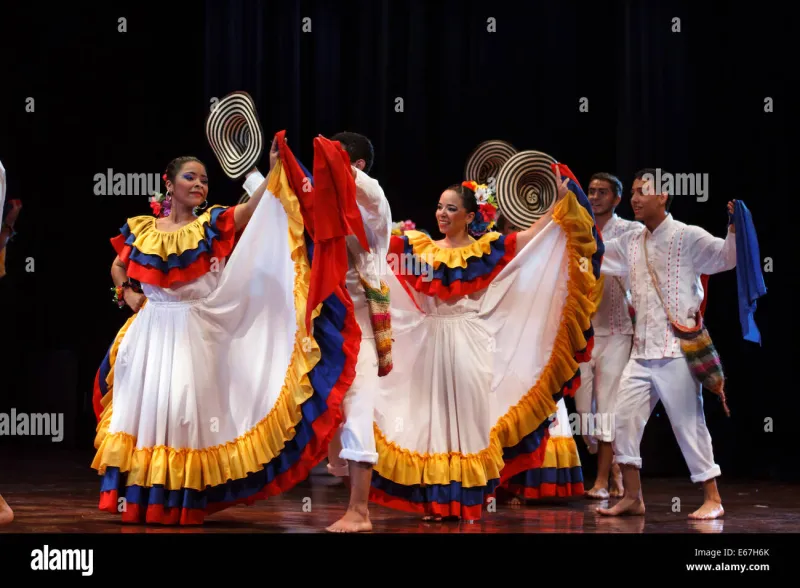
Photo: cumbia band keyboard player live stage lights crowd, via c8.alamy.com
Walk into a backyard party in Texas, a wedding hall in California, or a parking lot in Chicago and you can usually tell what's coming before the vocals arrive. The keyboard hits first. Short, bright, almost brassy. Then the bassline rolls in underneath it, and the room shifts. That is the Los Kumbia Kings effect — a cumbia sound built without the instrument everyone expects to hear.
The Accordion Question
In a lot of Latin music, the accordion is the emotional center. It carries the tear-in-your-beer storytelling of norteño, the old-school conjunto swing, the familiar texture of cumbia from another era. So when Los Kumbia Kings came up, the absence of that sound was not a small detail. It was a statement about arrangement.
The group, shaped by A.B. Quintanilla's ear for hooks and his Selena-era lessons in making a groove move a room, leaned on keyboards, brass, and bass instead. That choice did not make the music less cumbia. It made the cumbia read differently — cleaner, punchier, more aligned with the pop, hip-hop, and dance music that US radio and club crowds were already hearing in the late 1990s and 2000s. The accordion was not banned. It was simply not the load-bearing wall.
The Stab as a Signature
The most recognizable Los Kumbia Kings moment is often not a chorus. It is the keyboard stab — that quick, rhythmic chord hit that lands on the beat like a hand clap from a synthesizer. It functions as a hook, a punctuation mark, and a cue all at once. You hear it and your body gets the message before your brain does.
That stab works because it is not trying to be pretty. It is trying to be clear. It sits high enough in the mix to cut through conversation, low enough to feel connected to the rhythm section, and short enough that it never crowds the vocal. The brass punches follow the same philosophy: bright, tight, and arranged for impact rather than length. Nothing overstays its welcome.
The Bassline Does the Heavy Lifting
A keyboard hook gets attention, but the bassline keeps the dance floor honest. Los Kumbia Kings tracks tend to use bass in a way that is round and melodic without becoming busy. It locks into the cumbia pulse, leaves room for the percussion, and gives the keyboards a foundation to bounce off.
That combination is why the group's songs travel well across sound systems. A big club rig makes the low end feel expensive. A cheap Bluetooth speaker still pushes the keyboard stabs forward. A DJ can drop a Kings track between reggaeton and norteño and the crowd does not need a translation. The groove is doing the introductions.
Why It Crossed Over
US party crowds are mixed crowds. A quinceañera, a wedding, a college Latin night, a family cookout — these rooms are not single-genre spaces. Los Kumbia Kings understood that early. Their production choices gave them a bridge: the rhythmic DNA of cumbia with the hook logic of pop and the low-end confidence of dance music.
That is also why the group's music aged the way it did. The sounds are unmistakably from their era, but the architecture still works. A synth stab is not a trend that expires. It is a functional tool. In 2026, DJs still use those moments as transitions, as crowd warmers, as the two-second signal that the party is about to switch gears.
What Still Happens in 2026
Nostalgia usually needs a trigger, and for a lot of fans the trigger is that first keyboard hit. It shows up in TikTok clips of family parties, in wedding reception videos, in the background of a lowrider meetup, in the shuffle playlist at a taqueria. The song might be decades old, but the hook is not asking for permission. It just arrives.
That is the quiet lesson of Los Kumbia Kings: a signature sound is not always the loudest instrument in the room. Sometimes it is the one that knows exactly when to hit and exactly when to get out of the way. The accordion never showed up. The party did anyway.