The Room Knows the Next Line: Los Kumbia Kings and the Chorus You Can’t Kill
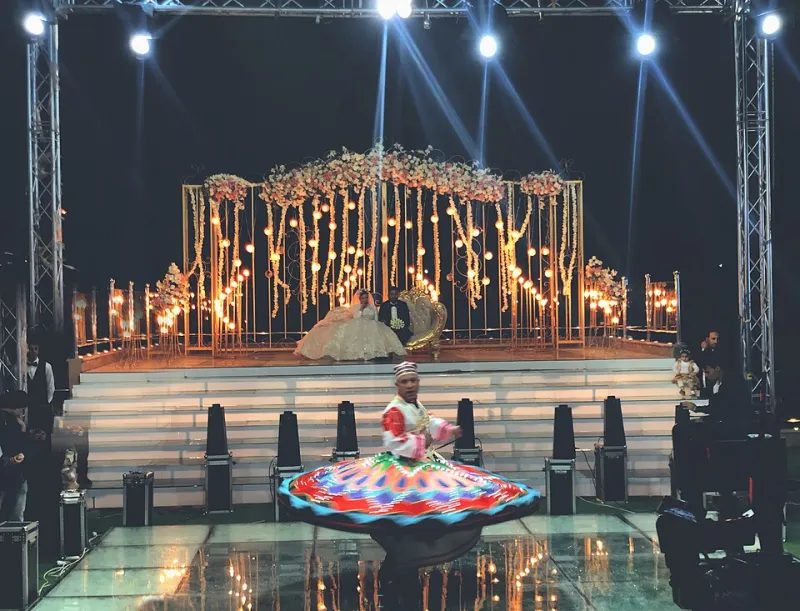
Photo: Mohab segini, CC BY-SA 4.0, via Wikimedia Commons
There’s a specific sound at a great party: not the DJ, not the band, but the room itself. It starts with one person shouting the first line, then a cousin joins, then the tíos, then someone’s co-worker who swore they didn’t know the words. By the chorus, the whole floor is in it. Los Kumbia Kings built a catalog full of those moments. The songs don’t just ask for attention—they hand the microphone to the crowd.
That’s the thing about a Los Kumbia Kings chorus. It isn’t a finish line. It’s an invitation.
The Hook Is a Handoff, Not a Solo
A lot of pop songs treat the chorus like a victory lap for the lead vocal. Los Kumbia Kings often treat it like a relay race. The verse sets the scene, the beat locks in, and then the hook opens a door. “No Tengo Dinero” is the obvious example: the melody is simple enough to learn on first listen, but specific enough that it feels like a shared joke. By the time the chorus circles back, the crowd isn’t waiting for it—they’re already there.
“Shhh!” works the same way, but with a physical cue. The song turns a single syllable into a group ritual. Someone shushes, someone else laughs, and then the whole room leans in for the payoff. That’s not an accident. It’s songwriting that understands a dance floor is a social space, not a concert hall.
The same goes for the softer stuff. “Dulce Niña” and “Te Quiero a Ti” don’t need a mosh pit. They need a room willing to sway together and sing the parts that feel like a group promise. Los Kumbia Kings were never just a band for listeners. They were a band for participants.
Why Mixed-Language Rooms Still Shout Every Word
The United States has a lot of Latin music crowds that don’t fit a neat language box. A wedding in Houston might have Spanish-dominant grandparents, English-dominant cousins, and friends who grew up speaking both. Los Kumbia Kings songs work in that room because the hooks don’t depend on perfect translation. They depend on rhythm, repetition, and attitude.
That’s why a chorus can travel across generations even when the verses don’t. People learn “No Tengo Dinero” the way they learn a chant at a stadium—by hearing it, feeling it, and wanting to be part of it. The cumbia groove does the rest. It’s steady enough to keep everyone together, but loose enough to let the crowd put its own stamp on the moment.
This is also why the group’s bilingual appeal never felt like a gimmick. The songs move between Spanish and English the way real parties do: naturally, messily, and with a lot of volume. The crowd doesn’t need a lyric sheet. It needs a downbeat and a reason to join in.
The Songs That Turn a Room Into a Choir
Not every Los Kumbia Kings song is a group-sing candidate. Some are for the couple in the corner. Some are for the drive home. But a few are built for the full-room chorus, and DJs know exactly which ones.
“No Tengo Dinero”
The universal one. It’s the song that gets the guy who “doesn’t really dance” to mouth the words while holding a plate. The chorus is a group shout, and the humor in the title gives everyone permission to be a little ridiculous. It’s a wedding staple for a reason: it makes the party feel like a party.
“Shhh!”
This one is a game. The hush, the tease, the release—it’s built for a crowd that wants to play along. At a reception, it can turn a table of strangers into co-conspirators. At a backyard party, it can make the neighbors wonder what’s happening. Either way, the room is doing the work.
“Dulce Niña”
Less of a shout, more of a sway. This is the one for the aunts and the slow-dancers, but the chorus still pulls people in. It’s a reminder that crowd participation isn’t always loud. Sometimes it’s a whole room singing softly enough that you can hear the person next to you.
“Te Quiero a Ti”
Romantic, direct, and easy to sing. It’s the kind of chorus that works at a quinceañera and a late-night cookout. The words are simple, but the feeling is big—and that’s the sweet spot for a group sing.
“Sabes a Chocolate”
Playful and light, this one lets the crowd get a little silly. It’s not a ballad and it’s not a hard-hitting cumbia, but it has that Los Kumbia Kings bounce. At the right moment, it’s a chorus that feels like a group inside joke.
How DJs and Party Hosts Keep the Chorus Alive in 2026
The easiest way to kill a crowd chorus is to fill every empty space. A DJ who talks over the hook or cuts the song too early can turn a room choir back into an audience. The fix is simple: leave room. Let the vocal drop out for a bar and see if the crowd picks it up. If they do, don’t rescue them. That’s the moment.
Party hosts can help too. You don’t need a stage or a microphone. You need one person willing to start the line. At a wedding, ask the DJ to cue up “No Tengo Dinero” right after dinner, when people are full but not yet tired. At a backyard party, put it on before the playlist gets too cool for its own good. The chorus works best when it feels inevitable, not forced.
And in 2026, there’s a digital version of the same ritual. Playlists keep the songs in rotation. Short clips remind younger cousins what the hook sounds like. But the real preservation happens in person: teaching the next kid the words, requesting the song at the family party, letting the room be loud.
The Chorus Is the Memory
Los Kumbia Kings songs last because they don’t belong only to the band. They belong to the people who sang them in kitchens, at receptions, and in parking lots after the party ended. The call-and-response isn’t a trick. It’s the whole point.
So the next time the first line hits and the room hesitates for half a second, don’t wait for someone else. Sing it. The chorus only works if somebody starts it.