The Invisible Coro: Finding the Crowd Inside Los Kumbia Kings Tracks
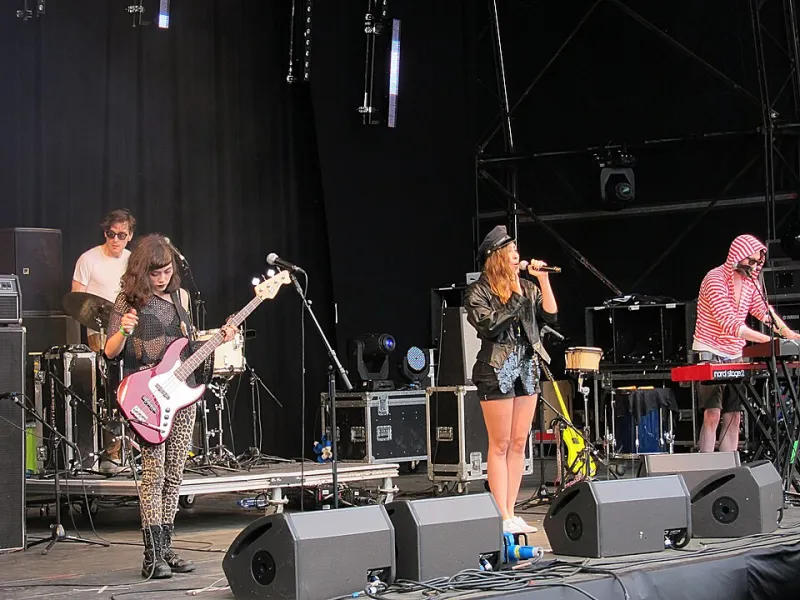
Photo: Mike Higgott, CC BY-SA 2.0, via Wikimedia Commons
There’s a reason a Los Kumbia Kings song can make a room feel fuller than it is. The obvious answer is the groove: the keyboard hook, the bass pulse, the cumbia swing that refuses to sit still. But there’s a quieter trick running underneath all that. The records are full of small crowd sounds—claps, whistles, shouted phrases, little call-and-response pockets—that act like instructions. They tell your body when to move and your mouth when to join in.
This is a listener’s guide to those invisible coro moments. Not a lecture on studio gear, and not a ranking of hits. Think of it as a fan’s field manual for hearing the people inside the mix—and then using those cues to wake up a party in 2026, whether you’re in a San Antonio backyard, a Houston parking lot, or a wedding hall with bad carpet and great speakers.
Listen Past the Lead
Most of us tune in to the vocal first. That’s natural. The lead tells the story, and Los Kumbia Kings know how to put a voice front and center. But the fun begins when you slide your attention to the edges. Play a track on a decent speaker or a pair of headphones and listen for the stuff that isn’t the main melody: the dry clap sitting slightly left of the snare, the “¡uh!” tucked between lines, the whistle that answers a keyboard stab.
Those sounds aren’t accidents. They’re production choices that make a studio recording behave like a live show. A handclap can turn a private listening moment into a group activity. A shout can make a solo listener feel like somebody else is in the room. Los Kumbia Kings built a catalog where the crowd is often implied, even when no crowd is actually there.
Handclaps Are the Free Pass
The handclap is the most democratic instrument in Latin party music. You don’t need training. You don’t need a microphone. You just need hands and a willingness to look slightly ridiculous for three seconds. Los Kumbia Kings records use claps like a free pass into the song—a low-stakes way for everybody to participate.
Listen for claps that land on the back half of the beat, the kind that make a mid-tempo cumbia feel springier. They’re not always huge, stadium-sized claps. Often they’re tight, dry, and mixed close enough to feel human. That smallness is the point. It leaves room for your own clap to join in without competing.
At a party, this is your first move. Before you ask anybody to dance, get the clap going. It works in a kitchen, on a patio, in a rental hall while people are still finding the ice. The clap says: the song has already started, and you’re allowed in.
Whistles, Shouts, and the Art of the Rolling “¡Arriba!”
Whistles in cumbia often get treated as decoration. In Los Kumbia Kings’ hands, they’re more like punctuation. A short whistle can mark the end of a phrase or push the energy into a chorus. A shouted “¡Arriba!” or a quick vocal stab can do the same job as a drum fill: it resets the room.
Pay attention to where those shouts sit in the mix. If they’re slightly buried, they feel like they’re coming from the crowd rather than the stage. That’s a useful illusion. It makes the recording feel like a memory of a night out, not a pristine product from a lab. When you’re hosting, you can lean into that. Let a shout be your signal to raise a glass, pull somebody off the wall, or restart a conversation that got too serious near the chips.
Call-and-Response Without a Microphone
Not every Los Kumbia Kings song has a formal call-and-response section, but plenty of them leave gaps where a response belongs. That might be a repeated syllable, a vocal hook that begs to be echoed, or a break where the keyboards drop out just long enough for a room to fill the space.
This is where the living-room party becomes a chorus. You don’t need to know Spanish fluently to answer a hook. You need timing and a little nerve. The records teach you the timing if you listen. The call comes around once, then again. By the third pass, the room knows what to do.
A practical tip for DJs and party hosts: don’t talk over those gaps. Let the empty space do its job. The silence between the call and the response is the invitation. Fill it with your own voice and you’re already hosting the coro.
The Mix Trick: Small Sounds, Big Room
One reason these cues travel well is that they’re not mixed like lead instruments. They’re often smaller, punchier, and a little rougher. That makes them survive cheap speakers, phone speakers, and the terrible Bluetooth box somebody brought to the beach. A big reverb-drenched effect might disappear in a parking lot. A dry clap and a sharp whistle cut through.
Los Kumbia Kings’ production style—dense keyboards, clean low end, plenty of rhythmic pocket—leaves just enough space for those human sounds to register. It’s a balancing act. The crowd cues don’t overwhelm the song, but they’re never fully hidden. They’re Easter eggs for the people who are actually listening, and automatic party triggers for everybody else.
How to Deploy the Cues at a Party
Start with a song that has an obvious clap or a shout near the top. “Shhh!” and “No Tengo Dinero” are good places to begin because the hooks are welcoming and the energy is immediate. Let the first chorus pass without doing anything. Then, on the second pass, clap. Somebody will join. By the third, you’ve got a small crew.
For a wedding hall, use the whistle moments as permission slips. They’re less intimidating than a dance move and more social than a toast. For a parking lot, lean on the shout-outs. They carry. For a living room, use the call-and-response gaps. They make a small space feel packed.
A Living-Room Test and a Parking-Lot Test
Try this at home: play a Los Kumbia Kings track at a volume that lets you hear the claps without shaking the windows. Clap along only when you hear the recorded clap. Notice how the song changes. It feels less like background music and more like a conversation.
Then try it outside. The claps may disappear, but the whistles and shouts often survive. That tells you something about how the records were built: they have layers for different rooms. A living room can catch the small stuff. A parking lot catches the big gestures. A wedding hall catches everything in between, especially after the first round of drinks.
Why the Cues Still Work in 2026
Trends change. Playlists shuffle. A song from the 1990s or 2000s can feel ancient to one listener and brand new to another. But a handclap doesn’t age. A whistle doesn’t need a software update. A room full of people answering a hook together still feels like the whole point of a party.
Los Kumbia Kings understood that the recording isn’t only a document of the band. It’s a set of instructions for the crowd. The claps, whistles, shouts, and gaps are the band’s way of saying: you’re not just listening to this. You’re part of it. In 2026, that invitation still works. You just have to hear it—and then clap back.